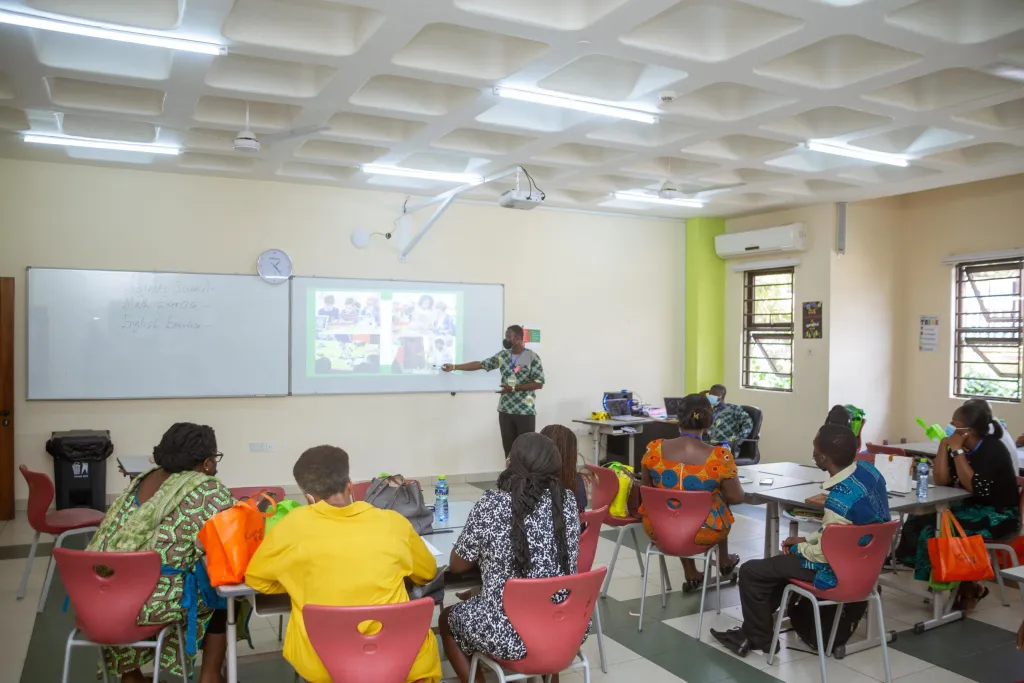
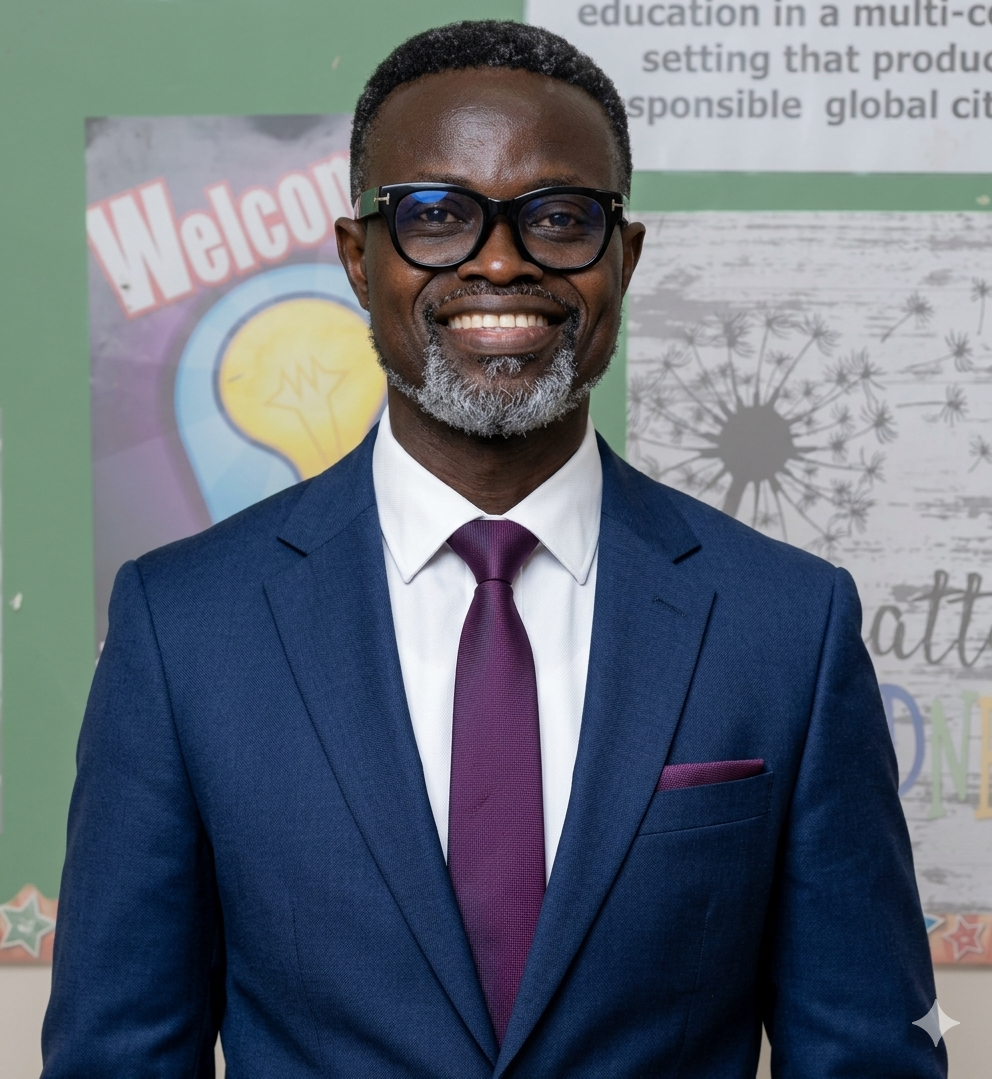
According to the World Economic Forum, 39% of workers' core skills are expected to change by 2030, with analytical thinking, creativity, resilience, leadership, and technological literacy among the most in-demand competencies. At the same time, UNESCO continues to highlight the growing need for education systems to evolve in response to rapid technological and workforce transformation.
The premise of this session is simple: the future of education is not about producing more coders—it is about developing adaptable, future-ready problem-solvers who can work alongside emerging technologies.
As artificial intelligence reshapes industries and transforms the nature of work, schools have a critical responsibility to equip students with both the technical and human skills needed to thrive. While digital literacy remains important, employers increasingly seek individuals who can think critically, communicate effectively, collaborate across cultures, solve complex problems, and continuously learn throughout their careers.
Drawing on global workforce trends, educational innovation, and practical examples from the UK and Africa, this session will explore how educators and school leaders can move beyond technology adoption and intentionally cultivate the skills, mindsets, and competencies that prepare learners for an uncertain and rapidly evolving future.
In addition to exploring the strategic implications of AI in education, the session will provide a practical overview of emerging educational platforms and tools that are transforming teaching and learning. Participants will gain insight into how platforms such as Canva for Education, Google Gemini, Microsoft Copilot, Khanmigo, MagicSchool AI, NotebookLM, and adaptive learning technologies can be integrated responsibly to enhance creativity, personalisation, assessment, collaboration, and student engagement.
Participants will leave with practical strategies for embedding future-ready skills into curriculum design, classroom practice, leadership approaches, and school culture, alongside a toolkit of technologies that can be implemented immediately within their own institutions.
Key Takeaway:
The schools that will have the greatest impact over the next decade will not be those that teach the most technology, but those that best prepare students to navigate change, solve real-world problems, leverage emerging technologies effectively, and remain relevant in a future that is constantly evolving.
Learning Outcomes
Learning Outcomes
By the end of this session, participants will be able to:
• Understand the impact of AI and emerging technologies on the future workforce and identify the skills students will need to thrive in an increasingly digital and automated world.
• Recognise the shift from knowledge-based learning to skills-based learning, including the growing importance of critical thinking, creativity, adaptability, collaboration, communication, and problem-solving.
• Evaluate current and emerging educational technologies and identify opportunities to integrate AI-powered platforms responsibly and effectively within teaching and learning environments.
• Apply practical strategies for embedding future-ready skills into curriculum design, classroom practice, and school culture.
• Develop approaches for preparing students for careers that may not yet exist, ensuring learning remains relevant, engaging, and aligned with global workforce trends.
• Explore how school leaders can foster innovation, imagination, student agency, and future-focused thinking while maintaining educational excellence.
• Gain practical insight into emerging educational platforms such as Canva for Education, NotebookLM, Khanmigo, MagicSchool AI, Google Gemini, Microsoft Copilot, and other tools that can enhance teaching, learning, assessment, and collaboration.
Participants will leave with:
• A framework for developing future-ready learners.
• Practical examples of AI and EdTech implementation in schools.
• A curated list of educational platforms and resources.
• Actionable strategies that can be applied immediately within classrooms and across school communities.
• Greater confidence in leading educational change in an AI-powered world.

.webp)